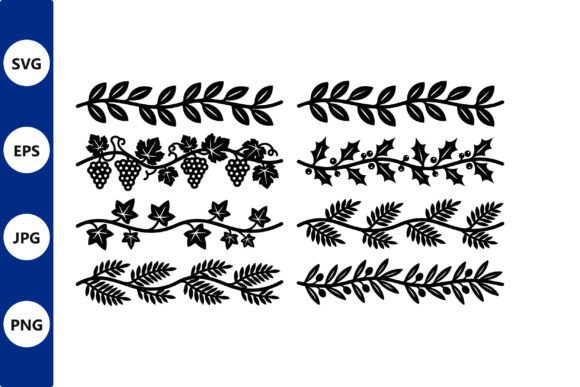
Evaluating the Botanical Border Vine Design for Professional Creative Workflows
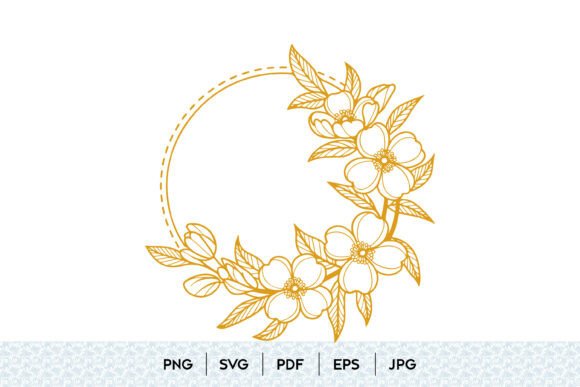
In the realm of digital design assets, consistency and quality are often the differentiating factors between a project that looks amateurish and one that commands attention. The Botanical Border Vine Design represents a specific category of vector art that has gained significant traction among designers, small business owners, and content creators. This asset class typically features intricate black and white botanical border vectors, incorporating elements such as grapevine leaves and ivy garlands. While the aesthetic appeal is immediate, the true value lies in its technical execution and versatility across various media formats.
For professionals who regularly produce physical products or digital content, understanding the nuances of these design files is essential. This analysis explores the practical applications, technical specifications, and strategic advantages of integrating high-quality botanical borders into your creative toolkit.
The Structural Integrity of Black and White Botanical Vectors
The core strength of any Botanical Border Vine Design is its foundation in vector graphics. Unlike raster images, which can lose clarity when scaled, vector files maintain crisp edges regardless of size. This particular collection emphasizes clean, black and white line work, a stylistic choice that offers maximum flexibility. The absence of color allows the designer to impose their own brand palette or keep the classic monochrome look for a timeless aesthetic.
The inclusion of grapevine leaves and ivy garlands is not merely decorative; it serves a functional purpose in framing content. These organic shapes create natural leading lines that guide the viewer’s eye toward the central subject, whether that is text, a logo, or a product image. The "cleaned up" nature of these files means that unnecessary anchor points have been removed, resulting in smoother curves and smaller file sizes. This optimization is critical for web performance and ensures that cutting machines, such as those used for vinyl decals, can interpret the paths without errors.
Format Versatility and Technical Usability
A major consideration when evaluating digital downloads is the range of provided formats. A robust Botanical Border Vine Design package should include SVG, EPS, PNG, and JPG files. Each format serves a distinct role in a professional workflow:
- SVG (Scalable Vector Graphics): Ideal for web use and modern cutting machines. It is lightweight and scales infinitely without quality loss.
- EPS (Encapsulated PostScript): The industry standard for professional printing and editing in software like Adobe Illustrator. It ensures compatibility with older systems and high-end print shops.
- PNG (Portable Network Graphics): Useful for quick drag-and-drop applications where a transparent background is required, such as digital invitations or social media graphics.
- JPG (Joint Photographic Experts Group): Suitable for previews or projects where a solid background is acceptable, though less flexible than the other formats.
The availability of these formats ensures that the asset is ready for immediate use across different platforms. For a freelancer managing multiple client projects, having access to both vector and raster versions eliminates the need for time-consuming conversion processes, thereby enhancing workflow efficiency.
Practical Applications in Physical and Digital Products
The utility of black and white botanical border vectors extends far beyond simple document decoration. Their high-contrast nature makes them particularly suitable for a variety of physical products. For instance, in the home decor market, these designs are frequently used for custom wall art. The intricate details of ivy garlands translate well to large-format prints, adding a touch of elegance to minimalist interiors.
In the realm of personalized merchandise, these borders are invaluable for creating custom decals and stickers. The clean lines ensure that vinyl cutters can produce precise shapes, reducing material waste and improving the final product's appearance. Additionally, the timeless nature of grapevine motifs makes them a popular choice for wedding stationery, packaging labels, and branding materials for boutique businesses.
Digital applications are equally diverse. Bloggers and educators can use these borders to frame important information in ebooks or online courses, enhancing readability and visual appeal. Marketers might incorporate them into email newsletters to create a sophisticated header or footer, distinguishing their communications from generic templates.
Assessing Quality and Long-Term Value
When investing in digital assets, the concept of long-term value is paramount. A well-executed Botanical Border Vine Design is not a trend-dependent graphic but a foundational element that can be reused across countless projects. The key indicators of quality include the smoothness of the curves, the balance of positive and negative space, and the ease of editing.
High-quality vectors allow for easy manipulation. Designers should be able to change the stroke weight, adjust the length of the border, or recolor elements without distorting the original shape. If the files are "individually cleaned up and optimized," as claimed by premium providers, this implies that the designer has taken the time to remove stray points and ensure closed paths. This level of attention to detail prevents common issues such as gaps in printed lines or errors in digital rendering.
Furthermore, the reliability of the asset provider matters. Consistent quality across a portfolio suggests a professional approach to digital product creation. For small business owners, relying on dependable assets reduces the risk of last-minute redesigns due to technical flaws in the source files.
Who Benefits Most from This Design Asset?
While the aesthetic appeal of ivy garland and grapevine leaves is broad, certain groups will find disproportionate value in this specific type of Botanical Border Vine Design:
- Small Business Owners and Entrepreneurs: Those selling handmade goods or curated products can use these borders to elevate their packaging and branding without hiring a custom illustrator.
- Freelance Graphic Designers: Having a library of pre-made, high-quality borders speeds up the design process for client projects, allowing for faster turnaround times and higher profitability.
- Educators and Publishers: Individuals creating worksheets, textbooks, or educational materials can use these borders to structure content and make learning materials more engaging.
- Hobbyists and Crafters: Users of cutting machines for personal projects, such as scrapbooking or home decor, will appreciate the ease of use and the professional finish of optimized SVG files.
Limitations and Considerations
Despite their versatility, it is important to recognize the limitations of black and white botanical borders. They may not be suitable for brands seeking a vibrant, colorful, or ultra-modern aesthetic. Additionally, while vector files are scalable, extremely intricate details may become lost if the design is scaled down too small, such as on a business card. Designers must test the legibility of the vine patterns at various sizes to ensure they remain effective.
Moreover, because these are popular design elements, there is a risk of overuse. To maintain uniqueness, creators should consider combining these borders with other design elements, such as typography or contrasting colors, to create a distinctive visual identity.
Final Thoughts on Integration
The Botanical Border Vine Design is more than just a decorative clipart; it is a functional tool for enhancing visual communication. Its value lies in the combination of aesthetic elegance and technical precision. By offering multiple file formats and optimized paths, it supports a wide range of creative endeavors, from digital marketing to physical product creation.
For professionals and serious hobbyists alike, integrating these assets into their workflow can lead to more polished outcomes and greater efficiency. The key is to select high-quality files that have been properly prepared for use, ensuring that the final result meets the standards expected in today’s competitive creative landscape. Whether used for a subtle accent in a digital layout or a bold statement on a physical product, these botanical borders offer a reliable and versatile solution for framing content with style.