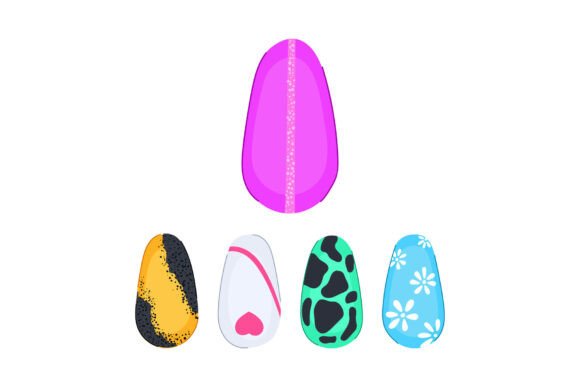
Nail Art Design Elements: Color & Patterns
In the evolving landscape of personal grooming and self-expression, nails have transcended their traditional role as mere protective coverings for our fingertips. They have become miniature canvases for artistic expression, reflecting individual personality, current fashion trends, and even professional branding. At the heart of this transformation lies the strategic use of Nail Art Design Elements with Various Palettes and patterns. Understanding how to effectively combine floral, abstract, animal print, and geometric motifs is not just about aesthetics; it is about mastering a visual language that communicates style, confidence, and attention to detail.
For professionals in the beauty industry, content creators, or anyone passionate about self-care, grasping the nuances of these design elements can significantly enhance the quality of manicures and the satisfaction derived from them. This guide explores the core components of modern nail art, offering practical insights into how you can leverage these trends for both personal enjoyment and commercial success.
The Power of Color and Pattern Integration
Color is the most immediate communicator in any visual design, and nail art is no exception. The phrase Nail Art Design Elements with Various Palettes highlights the importance of versatility. A single shade can convey professionalism, while a complex gradient might suggest creativity and boldness. However, color alone rarely tells the whole story. It is the interplay between hue and pattern that creates depth and interest.
Consider the psychological impact of different combinations. Soft pastels paired with delicate floral motifs often evoke a sense of calm, femininity, and springtime renewal. In contrast, deep jewel tones combined with sharp geometric lines can project authority, modernity, and precision. When selecting your palette, consider the context. Are you aiming for a look that complements a corporate wardrobe, or one that stands out at a creative networking event? The right combination of color and pattern can align your external appearance with your internal intent.
Floral Motifs: Timeless Elegance
Floral designs remain a cornerstone of nail art due to their universal appeal and adaptability. From minimalist single-petal accents to intricate garden scenes, flowers offer endless possibilities. For beginners, starting with simple daisies or roses using dotting tools can build confidence. More advanced artists might explore watercolor techniques to create soft, blended petals that mimic real botanicals. The key to successful floral nail art is balance; overcrowding the nail can look chaotic, while strategic placement ensures elegance.
Abstract Expressions: Modern Creativity
Abstract nail art breaks free from representational constraints, allowing for pure experimentation with shape, line, and color. This style is particularly popular among those who view their nails as an extension of their artistic identity. Swirls, splatters, and irregular blocks of color can create a dynamic, high-fashion look. Abstract designs are forgiving for DIY enthusiasts because there is no "wrong" way to execute them. Embracing imperfection is part of the charm, making it an excellent choice for those seeking a unique, one-of-a-kind manicure without the pressure of precision.
Geometric Precision and Animal Print Trends
While florals and abstracts lean towards organic forms, geometric motifs bring structure and order to nail design. Lines, triangles, circles, and checkerboards require a steady hand and often the use of tape or stencils to achieve crisp edges. This precision appeals to individuals who value clarity and modern minimalism. Geometric patterns can also be used to create optical illusions, such as elongating the fingers or adding visual width where desired. When working with Nail Art Design Elements with Various Palettes, geometric designs benefit from high-contrast color choices, such as black and white or navy and gold, to maximize impact.
On the other end of the spectrum lies animal print, a trend that cycles in and out of fashion but never truly disappears. Leopard, zebra, and snake prints add a touch of wild sophistication. The secret to pulling off animal print without it looking dated is subtlety. Instead of covering every nail, consider using it as an accent on one or two fingers, paired with neutral tones on the rest. This approach keeps the look chic and contemporary rather than overwhelming. Modern interpretations often use unconventional colors for animal prints, such as pastel leopard or blue zebra, refreshing the classic motif for today’s fashion-forward audience.
Practical Applications Across Industries
The relevance of nail art extends beyond personal grooming. For entrepreneurs and marketers in the beauty sector, understanding these design elements is crucial for product development and marketing strategies. Brands that offer curated kits featuring trending patterns like geometric minimalism or abstract swirls can better connect with their target demographics. Additionally, social media influencers and bloggers can leverage high-quality nail art content to drive engagement. Tutorials demonstrating how to achieve specific looks using Nail Art Design Elements with Various Palettes can attract significant traffic and build authority in the niche.
In educational settings, nail art techniques can be taught as part of broader cosmetology or artistic design courses. Students learn not only technical skills but also color theory, composition, and client consultation. For freelancers and creative professionals, maintaining well-groomed, artistically designed nails can serve as a subtle yet powerful personal branding tool. It signals attention to detail and creativity, qualities highly valued in many industries.
Selecting the Right Elements for Your Needs
When evaluating which design elements to incorporate, consider several practical factors:
- Skill Level: Be realistic about your technical ability. Complex geometric patterns may require professional tools, while abstract designs are more accessible for beginners.
- Lifestyle: Consider your daily activities. Intricate 3D embellishments may not be practical for those who work with their hands extensively, whereas flat gel polish designs are more durable.
- Maintenance: Some designs grow out more gracefully than others. French tips and nude bases with small accents tend to look neat for longer periods compared to full-coverage bright colors.
- Versatility: If you need a look that transitions from day to night or from office to evening events, opt for neutral bases with interchangeable accent nails.
Ultimately, the goal of exploring Nail Art Design Elements with Various Palettes and patterns is to enhance your self-expression and confidence. Whether you are a professional nail technician looking to expand your service menu, a marketer analyzing beauty trends, or an individual seeking a creative outlet, the world of nail art offers rich opportunities for innovation. By understanding the strengths of floral, abstract, animal print, and geometric motifs, you can create looks that are not only visually stunning but also personally meaningful and professionally appropriate.
Remember, trends are guides, not rules. The most compelling nail art often comes from mixing elements in unexpected ways. Experiment with combining a subtle geometric line with a soft floral background, or pair a bold animal print with a minimalist abstract accent. The possibilities are limited only by your imagination and willingness to try something new. As you refine your technique and develop your eye for design, you will find that your nails become a true reflection of your unique style and creative vision.