Vintage Ornate Label: Strategic Design for Timeless Brand Positioning
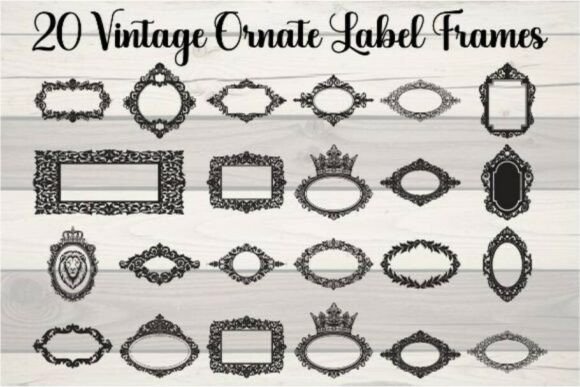
In an era dominated by minimalist flat design and transient digital trends, the strategic deployment of a Vintage Ornate Label offers a distinct competitive advantage. It is not merely an aesthetic choice; it is a communication tool that signals heritage, quality, and attention to detail. For entrepreneurs, marketers, and creative professionals, understanding how to leverage these classic decorative elements can significantly enhance brand perception and customer trust. This collection of 20 ornate label frames provides more than just visual assets; it offers a framework for establishing authority and elegance in packaging, branding, and creative projects.
The Psychology of Ornamental Design in Modern Branding
Why do consumers respond positively to intricate, retro-inspired designs? The answer lies in the psychological association between complexity and value. A Vintage Ornate Label suggests that time and care were invested in the product’s presentation. When you utilize these detailed frames for product labels or logo badges, you are subtly communicating that the contents are equally crafted with precision. This is particularly effective for small business owners and artisans who need to differentiate their offerings from mass-produced competitors.
The clean bold lines combined with intricate ornamental details create a visual hierarchy that draws the eye. Unlike generic templates, these frames provide a structured boundary that organizes information effectively. Whether you are designing a wedding invitation or a premium product package, the frame serves as a container for your most critical messaging, ensuring it is received with the gravity it deserves.
Strategic Applications Across Industries
To maximize the return on your design efforts, it is essential to align the use of these assets with specific business goals. Randomly applying decorative elements can lead to visual clutter, but intentional placement supports clarity and brand consistency. Here is how different professionals can integrate this collection into their workflows:
- Product Packaging and Retail: For physical goods, the unboxing experience is a critical touchpoint. Using high-resolution PNG files with transparent backgrounds allows seamless integration onto boxes, bottles, and jars. The vintage aesthetic elevates perceived value, allowing for higher price points and stronger brand loyalty.
- Event Marketing and Invitations: Wedding planners and event coordinators can use the elegant oval badges and rectangular labels to create cohesive stationery suites. The timeless nature of the design ensures that invitations remain sophisticated rather than trendy, appealing to a broad demographic of guests.
- Digital Branding and Logos: Startups seeking to project stability and trust can incorporate these frames into their logo badges. The scalability of EPS and SVG files ensures that the intricate details remain crisp whether displayed on a mobile screen or a large billboard.
Technical Versatility and Workflow Efficiency
A common bottleneck in creative operations is file compatibility. This bundle addresses that challenge by providing a comprehensive suite of formats: EPS, SVG, PNG, JPG, and PDF. For designers using industry-standard software like Adobe Illustrator or CorelDRAW, the vector-based EPS and SVG files offer infinite scalability without loss of quality. This is crucial for large-format printing or engraving where pixelation would be unacceptable.
For hobbyists and makers utilizing cutting machines such as Cricut or Silhouette, the SVG files are optimized for precise cutting paths. The clean lines ensure that the machine follows the ornate details accurately, reducing material waste and production time. Similarly, those involved in laser cutting and engraving will find the high-contrast JPG and PDF files ideal for mapping cut lines and etching depths. By having all necessary formats included, you eliminate the need for third-party conversion tools, streamlining your production pipeline and reducing technical friction.
Decision-Making: When to Use Vintage Frames
While versatile, a Vintage Ornate Label is not a universal solution. Effective design requires discernment. Consider using these frames when your brand narrative involves tradition, craftsmanship, luxury, or nostalgia. They are less suitable for brands positioning themselves as ultra-modern, tech-disruptive, or minimalist. Before integrating these assets, ask yourself:
- Does this design element support the core message of my product?
- Will the target audience associate this style with quality or outdatedness?
- Is there sufficient negative space within the frame to ensure readability of the text?
Answering these questions helps prevent the risk of aesthetic overreach. The goal is to enhance communication, not obscure it. If the ornate details overwhelm the product name or key information, the design fails its primary function. Use the frames to guide the viewer’s eye, not to distract from the content.
Customization and Long-Term Value
One of the significant advantages of this collection is the ease of customization. Because the files are fully scalable and editable, you can adjust colors, line weights, and proportions to match your specific brand guidelines. This flexibility ensures that the assets remain relevant as your brand evolves. Instead of purchasing new design elements for every campaign, you can adapt existing frames, creating a consistent visual language across all touchpoints.
For educators and publishers, these frames can be used to create engaging learning materials or book covers that stand out in a crowded market. The professional finish adds credibility to educational resources, making them more appealing to students and institutions alike. By investing in high-quality, versatile design assets, you build a library of resources that supports long-term creative productivity.
Risks of Unintentional Design
Using decorative elements without a clear strategy can dilute brand identity. If a Vintage Ornate Label is applied inconsistently across different platforms, it can confuse customers about what the brand stands for. Furthermore, poor color choices or incompatible typography can make the design look cheap rather than classic. To mitigate these risks, establish a style guide that dictates how and when these frames are used. Define specific color palettes, font pairings, and spacing rules that complement the ornate details.
Another risk is overuse. Just because the frames are available does not mean every piece of content needs one. Reserve these high-impact designs for key moments: product launches, premium tiers, or special announcements. This scarcity principle maintains the perceived value of the design element and prevents visual fatigue among your audience.
Implementing a Cohesive Visual Strategy
To achieve better results, approach your design process with intentionality. Start by identifying the emotional response you want to evoke. If it is trust and heritage, select the more traditional rectangular labels with heavy ornamentation. If it is elegance and grace, choose the oval badges with finer details. Test these designs with a small segment of your audience before full-scale implementation. Gather feedback on readability and aesthetic appeal.
Integrate these frames into your broader marketing ecosystem. Ensure that the vintage style of your labels aligns with your website design, social media graphics, and customer service tone. Consistency builds recognition, and recognition builds trust. By treating the Vintage Ornate Label as a strategic asset rather than just a decorative clipart, you elevate your entire brand presence.
In conclusion, this collection of 20 ornate label frames offers a powerful tool for enhancing visual communication. Whether you are a freelancer looking to impress clients, a small business owner aiming to upgrade packaging, or a marketer seeking to refine brand positioning, these assets provide the flexibility and quality needed for professional results. By understanding the strategic implications of vintage design and applying it with purpose, you can create lasting impressions that drive engagement and sales.