Minimal Tulip Flower Line Art SVG: A Practical Asset for Modern Design
In the current landscape of digital design, clarity often outperforms complexity. The Minimal Tulip Flower Line Art SVG represents a specific intersection of aesthetic simplicity and technical versatility that has become increasingly valuable for creators across various industries. Unlike intricate botanical illustrations that require significant processing power or visual space to render effectively, this style relies on clean lines, negative space, and geometric balance. For professionals ranging from web developers to print-on-demand entrepreneurs, understanding the utility of this asset type is crucial for maintaining efficient workflows while delivering high-quality visual content.
Defining the Aesthetic and Technical Structure
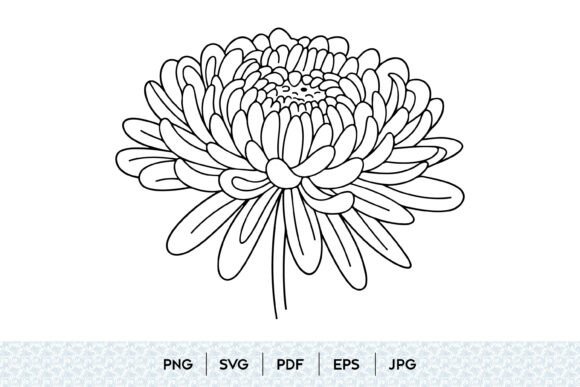
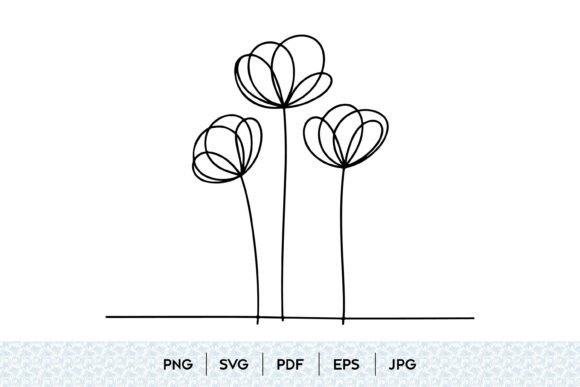
At its core, a tulip line art svg is defined by its reductionist approach. It strips away shading, gradient fills, and realistic texturing to focus solely on the contour and form of the flower. This minimalist flower svg style is not merely an artistic choice but a functional one. By utilizing vector-based paths, the image remains crisp at any scale, from a small favicon to a large-format banner. The tulip flower outline typically features smooth curves and consistent stroke weights, embodying the principles of botanical line drawing without the clutter of traditional scientific illustration.
The appeal of simple floral illustration lies in its adaptability. Whether described as modern tulip artwork or one line flower art, the design prioritizes immediate recognition. The viewer’s eye completes the shape, making the image engaging without being demanding. This abstract tulip svg approach ensures that the graphic does not compete with surrounding text or other design elements, making it an ideal companion for typography-heavy layouts.
Versatility Across File Formats
When acquiring digital assets, format diversity is a key indicator of value. A comprehensive package for this type of artwork typically includes SVG, PNG, EPS, JPG, and PDF files. Each format serves a distinct purpose in a professional workflow:
- SVG (Scalable Vector Graphics): This is the primary format for web use. It allows for CSS styling, meaning you can change the color of the black and white tulip directly in your code without editing the image file. It is essential for responsive design.
- EPS (Encapsulated PostScript): Preferred by professional printers and graphic designers using software like Adobe Illustrator. It ensures that the minimalist botanical design retains its vector properties during high-resolution printing processes.
- PNG (Portable Network Graphics): Useful for quick previews, social media posts, or platforms that do not support vector uploads. A high-resolution PNG of an elegant flower line art piece ensures transparency and sharpness for digital mockups.
- PDF (Portable Document Format): Ideal for direct printing of floral wall art svg designs or inclusion in digital portfolios and client presentations.
This multi-format availability transforms a simple floral outline clipart into a robust resource that fits seamlessly into both digital and physical production pipelines.
Practical Applications for Creators and Businesses
The utility of hand drawn tulip illustration styles extends far beyond personal projects. For small business owners and marketers, these assets offer a cost-effective way to elevate brand materials. Consider the following scenarios where contemporary floral art adds tangible value:
Branding and Identity
A decorative tulip design can serve as a subtle logo mark or a recurring motif in brand guidelines. Because the modern botanical svg is inherently clean, it conveys professionalism and sophistication. It works particularly well for brands in the wellness, beauty, or lifestyle sectors that wish to project an image of calm and elegance without appearing overly feminine or cliché.
Web and UI Design
In user interface design, load times and visual hierarchy are critical. A flower stem illustration rendered as an SVG adds visual interest to landing pages or blog headers without impacting performance. The aesthetic floral artwork can be animated easily using CSS or JavaScript, allowing for interactive elements such as blooming effects on hover, which enhances user engagement.
Print-on-Demand Products
For entrepreneurs selling physical goods, the printable flower svg is indispensable. Whether applied to tote bags, mugs, or stationery, the simple tulip drawing translates well to various materials. The high contrast of clean line floral design ensures that the image remains legible even on textured fabrics or smaller items like stickers and labels.
Evaluating Quality and Usability
Not all vector files are created equal. When selecting a stylish tulip svg, several factors determine its long-term value. First, examine the node structure. A well-constructed continuous line tulip should have smooth bezier curves with minimal unnecessary anchor points. Excessive nodes can cause rendering issues in some browsers and make editing difficult in design software.
Second, consider the versatility of the minimalist nature art. Does the design work in both monochrome and color? A truly effective graceful floral drawing maintains its integrity regardless of the palette applied. Third, check for organization. Layers should be logically named and grouped, allowing designers to isolate specific parts of the tulip bouquet outline if needed.
The reliability of the asset also depends on its licensing and source. Professional creators should ensure that the elegant botanical illustration comes with clear commercial usage rights, avoiding potential legal complications in client work.
Who Benefits Most from This Style?
While appealing to a broad audience, certain groups will find modern floral clipart particularly advantageous:
- Web Developers: Who need lightweight, scalable graphics that integrate easily with HTML/CSS frameworks.
- Interior Designers: Who utilize botanical home decor concepts and need high-resolution files for large-scale wall prints.
- Educators and Publishers: Who require clear, uncluttered images for textbooks, worksheets, or presentation slides where clarity is paramount.
- Social Media Managers: Who need versatile digital flower artwork that can be quickly adapted for stories, posts, and highlights.
For these professionals, the simple spring flower motif offers a timeless quality that does not date quickly, unlike more trendy or complex illustrative styles.
Limitations and Considerations
Despite its strengths, the minimalist bloom artwork style is not suitable for every context. If a project requires realistic representation or detailed botanical accuracy for scientific purposes, a simple flower decor approach may lack the necessary detail. Additionally, because the style is popular, there is a risk of overuse. To maintain uniqueness, creators should consider customizing the artistic flower linework by adjusting stroke widths, combining it with other geometric shapes, or integrating it into larger compositions.
Furthermore, when using trendy botanical svg files for print, always verify the color profile. While SVGs are resolution-independent, the final output on paper depends on the printer’s capabilities and the ink absorption of the material. A floral printable design that looks sharp on screen may require slight adjustments in stroke weight to prevent fading on porous papers.
Final Thoughts on Integration
The Minimal Tulip Flower Line Art SVG is more than a decorative element; it is a functional tool for modern communication. Its strength lies in its ability to convey beauty through restraint. By choosing high-quality, well-structured vector files, creators can ensure that their chic botanical clipart serves their projects effectively for years to come. Whether used for botanical home decor, digital interfaces, or brand identity, this style offers a balanced blend of elegance and efficiency. As design trends continue to favor clarity and speed, the value of such elegant floral svg resources is likely to remain stable, making them a worthwhile addition to any professional’s digital library.