Understanding Minimal Plate Cutlery Line Art Design for Modern Decor and Digital Projects
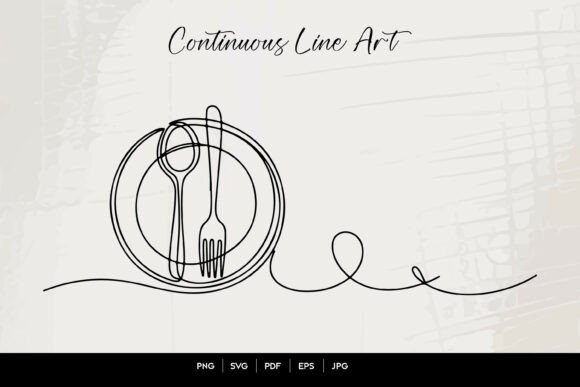
In the realm of contemporary visual aesthetics, Minimal Plate Cutlery Line Art Design has emerged as a versatile resource for designers, hobbyists, and homeowners alike. This style focuses on reducing complex dining imagery—such as plates, forks, knives, and spoons—into their most essential forms using continuous or clean lines. Unlike detailed illustrations that rely on shading, texture, and color gradients, this approach prioritizes contour and negative space. The result is a sophisticated, understated look that communicates elegance without visual clutter.
For those evaluating digital assets for creative projects, understanding the nuances of this design style is crucial. It is not merely about simplicity; it is about precision. A well-executed one line plate drawing or continuous line dining illustration requires a keen eye for balance. When considering whether this aesthetic fits your needs, it is helpful to examine how it compares to other artistic styles, its technical requirements, and its practical applications in both physical and digital spaces.
Distinctive Characteristics and Visual Appeal
The core appeal of Minimal Plate Cutlery Line Art Design lies in its adaptability. By stripping away extraneous details, these designs become universal symbols of dining and hospitality. An abstract cutlery design can fit seamlessly into a high-end restaurant menu, a modern kitchen wall print, or a minimalist wedding invitation. The black line tableware aesthetic offers high contrast, ensuring visibility across various backgrounds and materials.
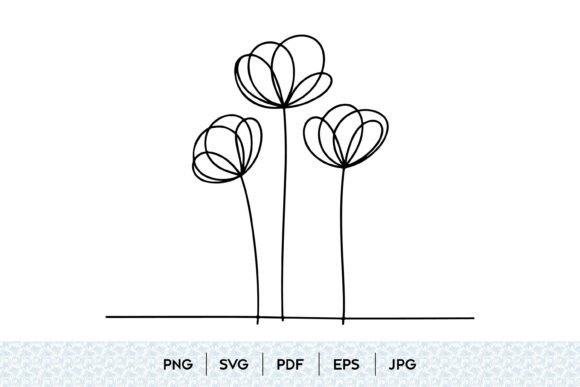
One of the defining features is the use of contour dining illustration techniques. Whether utilizing a single unbroken line to depict a spoon, fork, and plate, or employing separate clean strokes for each item, the focus remains on flow and rhythm. This elegant kitchen outline style avoids the heaviness of traditional clip art. Instead, it offers a stylish dining illustration that feels current and refined. For viewers, this creates a sense of calm and order, which is why it is increasingly popular in environments aiming for a serene atmosphere.
Comparing Line Art with Other Design Styles
When choosing visual elements for a project, it is important to weigh Minimal Plate Cutlery Line Art Design against alternative approaches. Here is how it stacks up against common counterparts:
- Realistic Illustrations: Detailed, photorealistic images of food and tableware can be appetizing but often feel busy. They may clash with modern, clean layouts. In contrast, minimalist food svg files provide breathing room in a design, allowing text and other elements to stand out.
- Vintage or Ornate Styles: Traditional designs often feature intricate patterns, serifs, and decorative borders. While suitable for classic themes, they can appear dated in contemporary settings. Modern dining artwork offers a timeless quality that does not tie a brand or home to a specific era.
- Bold Graphic Icons: Solid, filled shapes are effective for wayfinding but lack the artistic nuance of line art. Hand drawn cutlery art retains a human touch and organic feel that rigid geometric icons often miss, making it more inviting for hospitality contexts.
The tradeoff with line art is that it relies heavily on execution. Poorly drawn lines can look amateurish, whereas a polished abstract dining symbol conveys professionalism. Therefore, the quality of the vector source is paramount.
Technical Formats and Usability
A significant advantage of purchasing or creating Minimal Plate Cutlery Line Art Design is the variety of file formats typically available. Understanding these formats helps determine the best fit for your intended use case.
Vector Formats: SVG, EPS, and PDF
For scalability and editing, vector files are indispensable. An svg cut file or eps vector design allows you to resize the image infinitely without losing quality. This is critical for large-format printing, such as banquet hall signage or window decals. Additionally, vectors are editable in software like Adobe Illustrator or Inkscape, enabling you to adjust line weight or combine elements. A pdf kitchen artwork file is also useful for direct printing of documents or menus where vector fidelity is required.
Raster Formats: PNG and JPG
For web use or quick printing, raster images are convenient. A png printable art file with a transparent background is ideal for overlaying onto website headers, social media posts, or digital invitations. Meanwhile, a jpg dining illustration is suitable for standard photo prints or email attachments where file size is a concern. However, remember that raster images cannot be enlarged beyond their original resolution without pixelation.
Practical Applications and Decision Factors
Deciding whether Minimal Plate Cutlery Line Art Design is the right choice depends on your specific project goals. Consider the following scenarios:
- Digital Crafting and DIY Projects: If you own a cutting machine like a Cricut or Silhouette, a cricut kitchen svg or silhouette cameo file is perfect. These designs cut cleanly from vinyl, paper, or cardstock, making them ideal for custom coasters, stencils, or kitchen labels. The laser cut dining art potential is also significant for wooden or acrylic decor pieces.
- Branding and Marketing: Restaurants and cafes often seek a trendy restaurant decor vibe. Using restaurant line art on menus, business cards, and packaging creates a cohesive, upscale brand identity. It signals attention to detail and modernity.
- Home Decor: For interior design, printable kitchen decor offers an affordable way to refresh a space. Framed simple dining sketch prints can complement Scandinavian, Industrial, or Mid-Century Modern interiors. The decorative dining artwork adds personality without overwhelming the room.
However, there are limitations. If your audience expects warmth and rustic charm, stark black lines might feel too cold. In such cases, adding a subtle color accent or choosing a hand-drawn style with slight imperfections might bridge the gap. Similarly, for very small applications, such as tiny favicons, intricate continuous drawing kitchen details may become illegible. Simplification is key.
Evaluating Quality and Source Reliability
Not all line art is created equal. When sourcing Minimal Plate Cutlery Line Art Design, look for clean anchor points in vector files. Messy paths can cause issues when cutting or scaling. Check if the spoon fork plate svg is truly optimized for cutting machines, with no overlapping lines that could confuse the blade. For print, ensure the resolution of PNG and JPG files is at least 300 DPI to guarantee crisp edges.
Additionally, consider the versatility of the design pack. A comprehensive set might include separate elements—a standalone plate, individual cutlery items, and combined compositions. This flexibility allows for greater creativity. An elegant contour svg that can be deconstructed and reassembled offers more value than a single static image.
Making the Right Choice for Your Project
Ultimately, Minimal Plate Cutlery Line Art Design is a powerful tool for communicating sophistication and clarity. It serves well in contexts where modernity, cleanliness, and elegance are priorities. Whether you are designing a modern home kitchen svg for a client, creating digital download design products for an online store, or decorating your own dining area, this style offers a balanced blend of artistry and function.
Before committing, assess your medium. If you need scalability and editing power, prioritize vector formats. If you need quick deployment for web graphics, high-resolution PNGs will suffice. Compare the aesthetic against your existing brand guidelines or home decor palette. By understanding the strengths and limitations of minimal cutlery svg and related assets, you can make an informed decision that enhances your project’s visual impact without unnecessary complexity.
Remember, the goal of minimalism is not emptiness, but intentionality. A well-chosen artistic kitchen sketch can speak volumes about taste and style, proving that sometimes, less truly is more.